Articles
Get the Fragletter
New fragrance stories and picks in your inbox. Unsubscribe anytime.
New fragrance stories and picks in your inbox. Unsubscribe anytime.
New fragrance stories and picks in your inbox. Unsubscribe anytime.
New fragrance stories and picks in your inbox. Unsubscribe anytime.
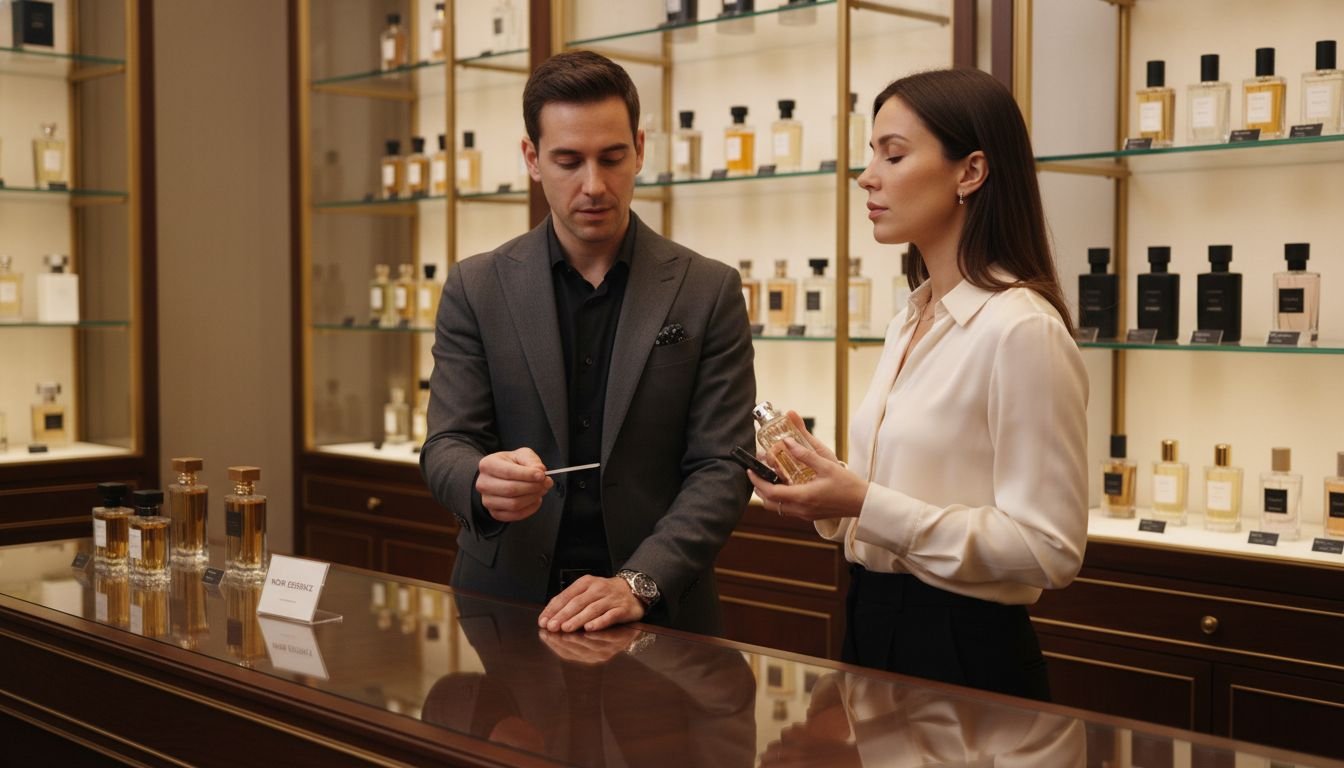
Most fragrance mistakes happen at the counter, not the checkout. Over 80 percent of perfume lovers admit they have bought a fragrance that smelled different at home than it did in the store, which is what a shelf of blotters and a nose full of everything at once will do to you. Here's the process that stops it.
Skip this step and you'll spend years buying other people's taste. Start with the fragrance wheel, which sorts scents into primary groups: floral, oriental, woody and fresh. It's a blunt instrument, but it gives you vocabulary, and vocabulary is what stops you saying "something nice" to a sales assistant who hears that forty times a day.
ijnrd.org describes ideal perfume selection along the same lines: examine the families and the notes, then test through samples. So think about what you already reach for. Citrus in the morning? Warm spice in December? Powdery florals, or do those read as old-fashioned to you? Your answers are data.
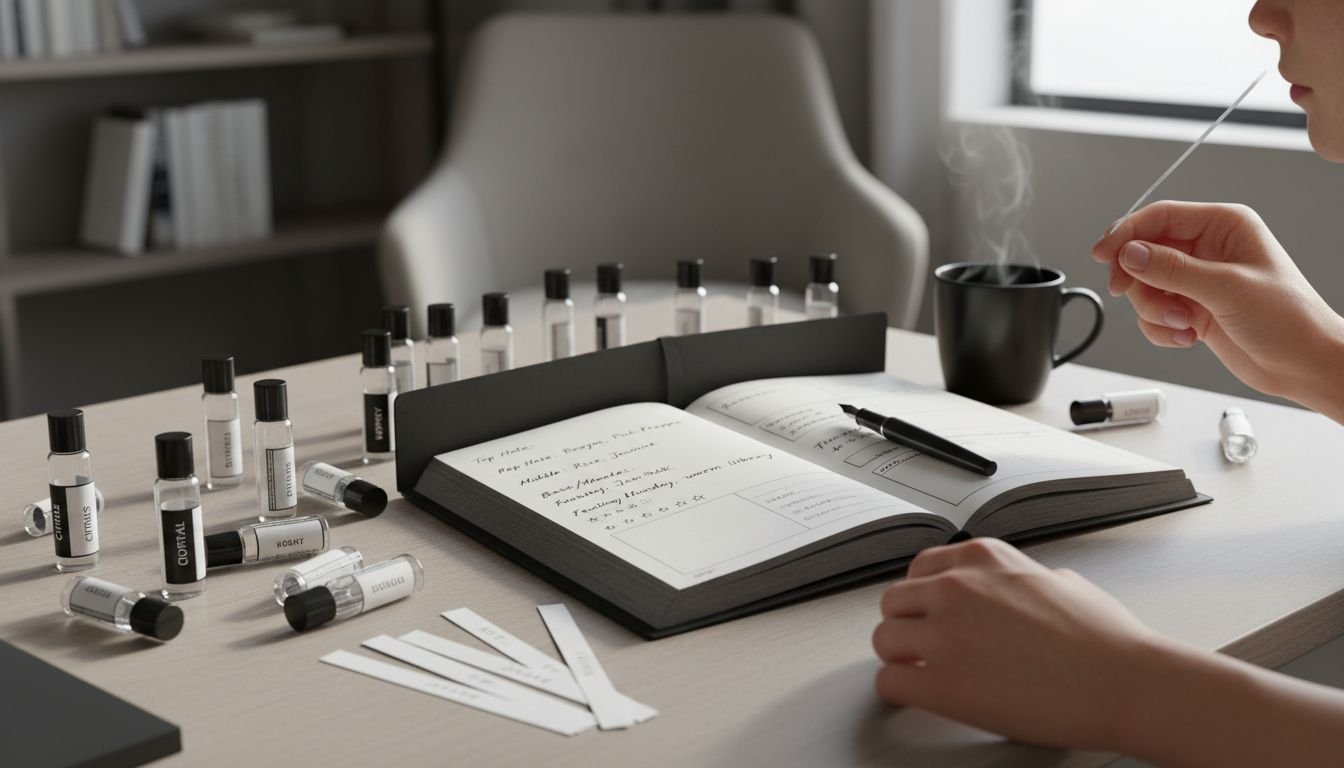
Then buy small samples and keep a sensory journal. It sounds precious. It works. Write down what a scent reminds you of, whether you'd wear it to the office, and how it behaves three hours in rather than in the first excited minute at the counter. Do that for a month and your shortlist writes itself.
Once the four-group wheel stops explaining what you like, graduate to the seven. According to parfumeurs-createurs.org, the Société Française des Parfumeurs defines seven fundamental fragrance families: citrus, floral, oriental, woody, aromatic, fougère and chypre. That extra resolution matters, because "woody" covers both a dry cedar and a creamy sandalwood, and you may love one and find the other cloying.
Notes are the next layer down. When you're reading note categories, pay less attention to the ingredient list as a shopping list and more to how the pieces behave together — a heavy base can make a bright top note feel like a completely different perfume.
Sample from each family deliberately. Visit counters, ask for testers, and log the top, middle and base notes with your own impressions next to them. The record-keeping is tedious. The alternative is buying the same woody-amber three times because you never worked out what the common thread was.
Blotters flatter everything. Skin doesn't. As attireclub.org puts it, the interaction between a fragrance and your body chemistry can change the scent's profile, which is why a paper strip is a shortlist tool and nothing more.
Apply a small amount to the inner wrist or elbow, where the skin runs warm and pulse points do the work of pushing the scent outwards. Then wait. Judging a perfume in its opening five minutes is like judging a film from the trailer. Track the drydown using how to test fragrance longevity naturally as your guide.
Be disciplined about volume. Two or three scents in a session is the ceiling; beyond that your nose flattens everything into a vague sweetness and you stop being a useful judge. Wear one for a full day if you can, and note how it shifts with body heat, skin oils and whatever you're doing. The bottle that smells extraordinary at the counter can turn into something you don't recognise by lunchtime, and it's better to learn that from a sample than from a full retail bottle.
Paying full boutique price is sometimes the right call and often isn't. Comparing shopping options, as attireclub.org notes, lets you weigh pricing, availability and possible discounts before you commit. Online retailers usually win on price and range; a physical counter wins on testing and on someone who can point you sideways to something you'd never have picked up. Use both. Check specialty fragrance shops, department stores and dedicated online fragrance communities.
A plain comparison spreadsheet — price, bottle size, return policy, shipping — takes ten minutes and routinely saves more than that in cash. Seasonal sales around the holidays are where the real discounts sit. Be suspicious of anything that looks spectacular, because counterfeits are everywhere in this market, and buy from authorised retailers when the gap between prices gets strange. Cheapest is not the same as best value once quality and longevity enter the maths.
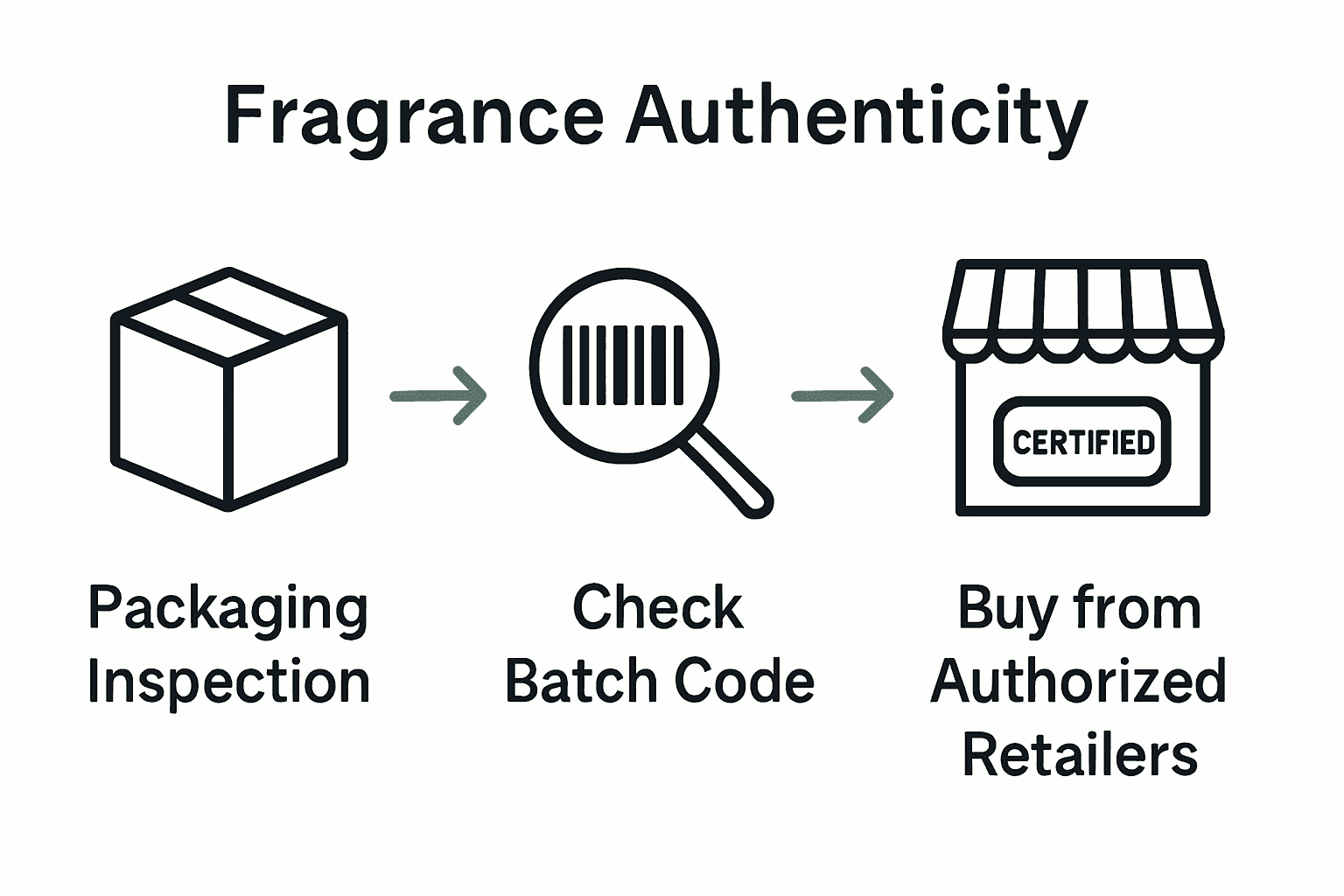
A fake doesn't just smell worse; it puts something unvetted on your skin. According to attireclub.org, verifying authenticity comes down to packaging, batch codes and authorised sellers.
Look hard at the box. Genuine printing is crisp, the logo is precise, and the typography is consistent — spelling errors and odd fonts are the giveaway that counterfeiters still can't fix cheaply. Then check the bottle: even glass, a spray mechanism that acts properly, branding that matches. Find the batch code on the base of the bottle or the packaging, verify it on the manufacturer's official site, and cross-check it in online fragrance discussions.
Treat third party sellers and thinly moderated marketplaces as the highest-risk end of the market. Authentic stock holds a price that reflects its market value, so a listing far below standard retail is a warning rather than a win. Buying direct from authorised retailers or official brand sites is the boring answer, and it's the correct one. If the price or the packaging feels off, trust that.
If you take one habit from this list, take the two-or-three-scents-per-session rule. The spreadsheet is thrift and the batch-code check is insurance, but testing discipline is the part that actually finds you a bottle you'll finish. Everything else is damage control on a decision you rushed.
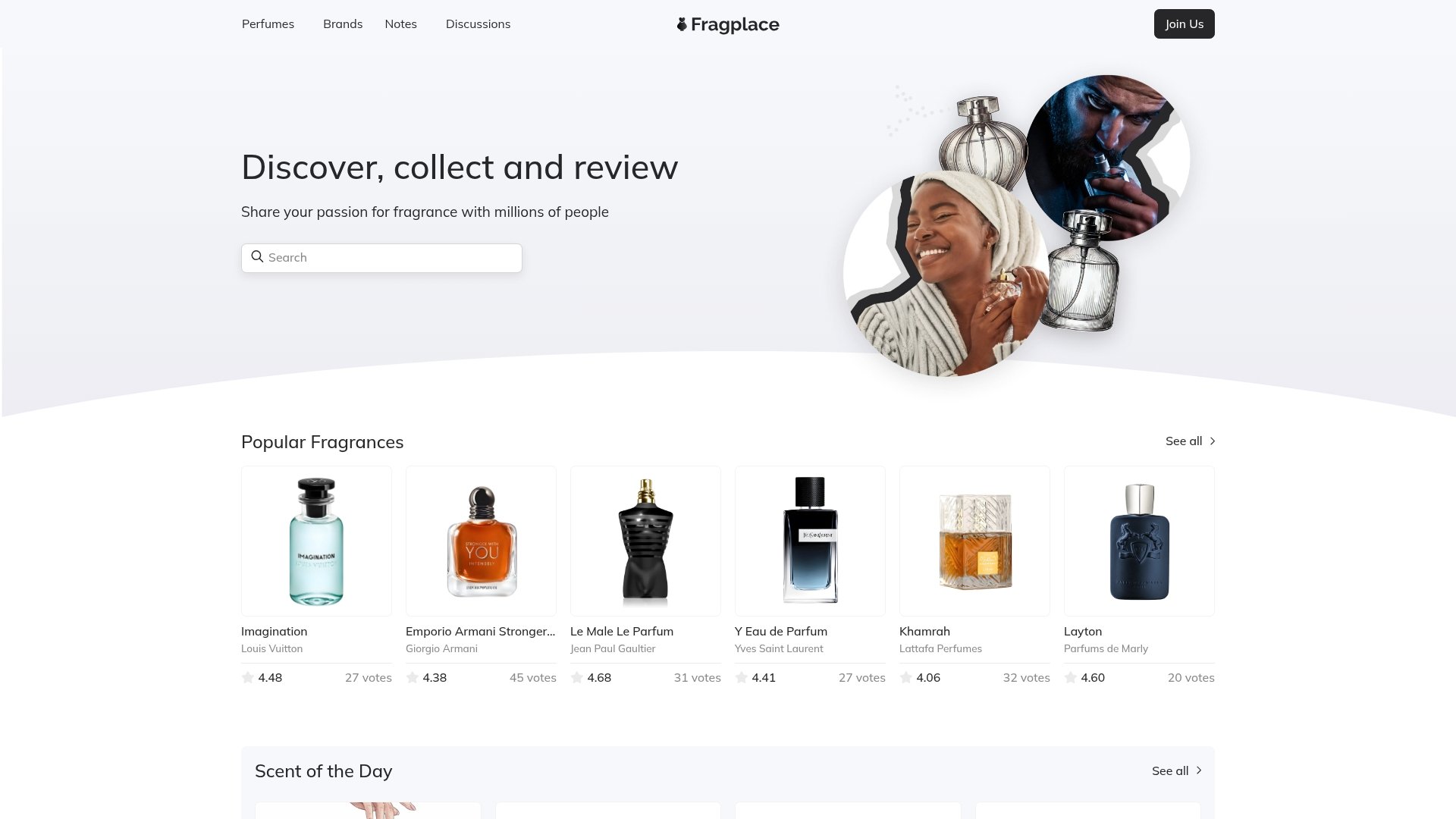
Fragplace.com exists for the slower version of that decision. It's a fragrance-centric community with detailed information on notes and brands, user reviews, and discussions where people argue about compositions instead of repeating marketing copy.
So do two things. Start by browsing the note categories to put names to what you already like, then visit Fragplace to read the guides, join the discussions, and find honest reviews before you spend anything.
Explore the families — floral, woody, fresh — and think back to scents you've liked before. Collect samples of the ones that intrigue you and keep a sensory journal of how each makes you feel over time.
Learn the seven fundamental families and the ingredients that define each one. Sample across all of them and note the top, middle and base notes, so you can see how a composition develops rather than judging its opening.
Apply a small amount to your inner wrist or elbow and give it a few hours to develop. Stick to two or three fragrances per session so your nose stays sharp, and watch how each one changes across the day.
Compare prices and availability across online and physical retailers. A simple spreadsheet tracking price, return policy and shipping costs makes the decision obvious quickly.
Check the packaging quality, find the batch code, and confirm the seller is authorised. Clear labelling with no spelling errors or branding inconsistencies is your first line of defence against counterfeits.
Be cautious — prices far below standard retail usually signal a counterfeit. Inspect the packaging, verify the source, and when you're unsure, buy from an authorised retailer instead.
| Key Point | Explanation |
|---|
| 1. Identify your fragrance preferences | Explore different fragrance families to discover which scents you naturally enjoy. |
| 2. Research fragrance families and notes | Understand seven fragrance families to improve your scent selection process. |
| 3. Test perfumes on your skin | Apply fragrances to warm skin to see how they evolve with your body chemistry. |
| 4. Compare shopping options and deals | Evaluate various retailers for pricing and authenticity to maximize your purchasing power. |
| 5. Verify authenticity before purchasing | Inspect packaging and purchase from authorized sellers to avoid counterfeit products. |