Fragrance for Beginners: A Step-by-Step Guide to Finding Your Signature Scent
19 May 2026
Stepping into the world of fragrance can feel overwhelming. Hundreds of bottles line the shelves, each promising something unique. Where do you even begin? The good news is that finding your signature scent is less about following rules and more about discovering what resonates with you. This guide will walk you through the process, step by step.
Understanding Fragrance Families
Before you start spraying, it helps to know the basic fragrance families. Think of these as broad categories that group scents by their dominant character:
-
Fresh/Citrus — Light, clean, and energizing. These fragrances often feature notes like and other citrus ingredients. A classic example is by , which is one of the most popular entry points for beginners.
-
Floral — Built around flower notes like and . This family ranges from delicate single-flower scents to rich, complex bouquets. by is a beautifully balanced floral that many newcomers love.
-
Woody — Warm and grounding, with notes like , , and . by blends fresh and woody elements into a universally appealing scent.
-
Oriental/Amber — Rich, warm, and sensual. These feature , , and spices like . by is a gorgeous introduction to this family.
-
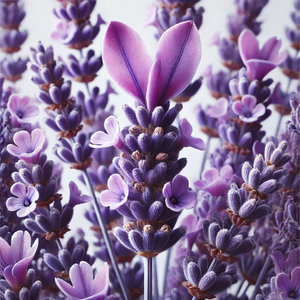
Aromatic — Herbal and fresh, often featuring or sage. Many classic men's fragrances fall here, though they work beautifully on anyone.
Don't worry about memorizing all of this. The point is simply to notice which direction your nose naturally gravitates toward.
How to Test Fragrances Properly
Testing is where most beginners go wrong. Here's how to do it right:
Limit yourself to three or four fragrances per session. Your nose fatigues quickly, and after the fourth or fifth spray, everything starts blending together. Quality over quantity.
Use your skin, not just paper strips. Blotter strips are useful for a first impression, but fragrance interacts with your body chemistry. What smells amazing on a strip may smell completely different on your wrist. Spray on your inner wrist or forearm and give it time.
Wait at least 30 minutes. Fragrances unfold in stages — the bright burst you smell first (top notes) fades within minutes. The heart of the fragrance emerges after 15 to 30 minutes, and the base notes (the ones that linger longest) may not show up for an hour. A fragrance you initially dislike might become your favorite as it develops.
Smell coffee beans between tests? Not necessary. This is a popular myth. Simply smelling the inside of your elbow or stepping outside for fresh air works just as well to reset your nose.
Take notes. When you're trying several fragrances across different visits, it's easy to forget which ones you liked. A quick note on your phone — even just "loved it" or "too sweet" — goes a long way.
Designer vs. Niche: Where Should Beginners Start?
You'll often hear people talk about "designer" and "niche" fragrances. Here's the difference:
-
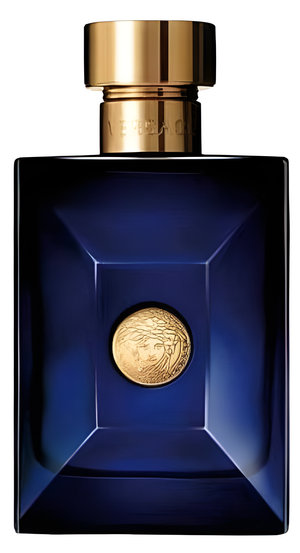
Designer fragrances come from fashion houses like , , , and . They're widely available, well-tested, and designed to appeal to a broad audience. Prices typically range from $50 to $150.
-
Niche fragrances come from houses that focus exclusively on perfumery, like (which bridges both worlds) or . They tend to be more unique and experimental, with prices starting around $100 and going much higher.
Our recommendation for beginners: start with designer. Not because designer is better, but because these fragrances are easier to find, easier to sample, and specifically crafted to be crowd-pleasing. Once you understand what you like, you can explore niche options with more confidence — and you'll make smarter purchases.
Some excellent beginner-friendly options to explore:
- — Versatile, sophisticated, works in virtually any setting
- — Fresh and modern with great longevity
- by — A timeless summer classic
- — The iconic fragrance that defined modern perfumery
Budget Tips for New Fragrance Lovers
Fragrance can become an expensive hobby fast. Here's how to be smart about it:
Sample before you buy full bottles. Many retailers offer sample sets or discovery kits. Spending $20 to $30 on samples can save you from a $120 blind-buy mistake.
Start with Eau de Toilette (EDT). EDT concentrations are generally more affordable than Eau de Parfum (EDP) versions. They're lighter and often better for everyday wear, especially in warmer weather. As you develop your preferences, you can explore richer concentrations.
Don't chase the collection. It's tempting to buy every fragrance you enjoy, but most people only need three to five in rotation — a fresh everyday scent, something for evenings or colder weather, and maybe a special occasion fragrance. Build slowly and intentionally.
Watch for gift sets during holidays. Major brands frequently offer value sets around holidays that include a full bottle plus travel sizes or body products at a better per-unit price.
Common Beginner Mistakes to Avoid
Buying based on someone else's recommendation alone. What smells incredible on your friend may not work on you. Fragrance is deeply personal — always test on your own skin.
Over-spraying. Two to four sprays is plenty for most fragrances. You want people to notice your scent when they're close, not when they enter the room. Pulse points — wrists, neck, and behind the ears — are your best targets.
Judging too quickly. As we discussed, fragrances evolve over time. That sharp opening you didn't enjoy might dry down into something beautiful. Give every fragrance at least an hour before making a decision.
Storing bottles incorrectly. Keep your fragrances away from direct sunlight, heat, and humidity. A cool, dark drawer or closet shelf is ideal. Proper storage can extend the life of your fragrance for years.
Thinking there's one "perfect" scent. Your signature scent doesn't have to be just one fragrance. Many enthusiasts rotate between a few favorites depending on the season, occasion, or mood. Give yourself permission to explore.
Your Next Steps
Finding your signature scent is a journey, not a destination. Start by visiting a department store or fragrance retailer and simply smelling. Pay attention to what draws you in and what pushes you away. Over time, you'll develop a natural sense of your preferences.
Explore fragrances and their notes right here on Fragplace — browse by brand, note, or fragrance family to discover scents that match your taste. The more you explore, the more confident you'll become in choosing fragrances that truly feel like you.
 Bergamot
 Giorgio Armani
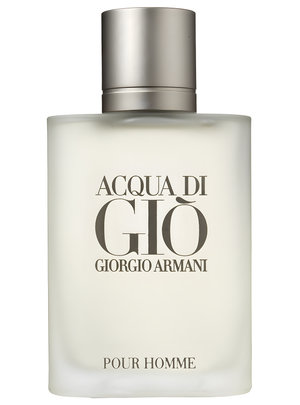 Acqua Di Gio
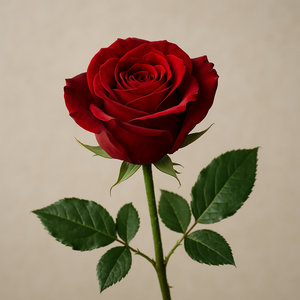 Rose
Rose Chanel
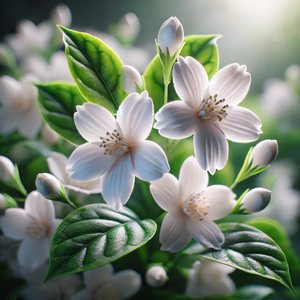 Jasmine
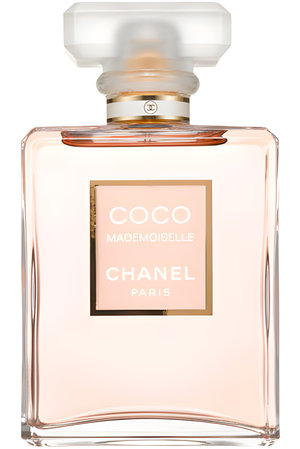 Coco Mademoiselle
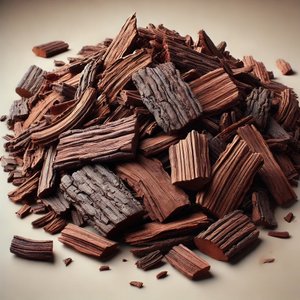 Sandalwood
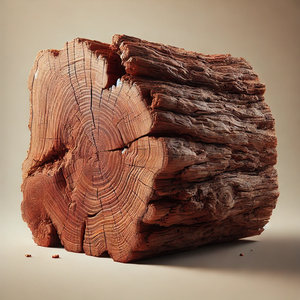 Cedarwood
 Vetiver
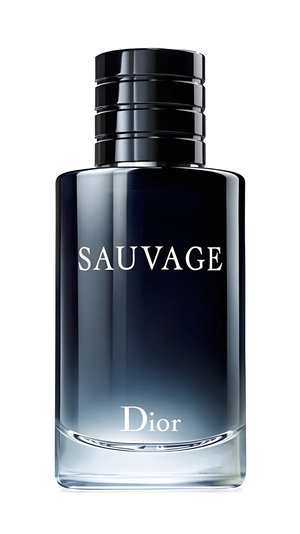 Sauvage
 Dior
Dior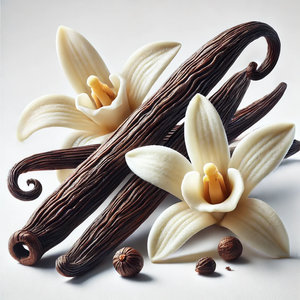 Vanilla
 Amber
Amber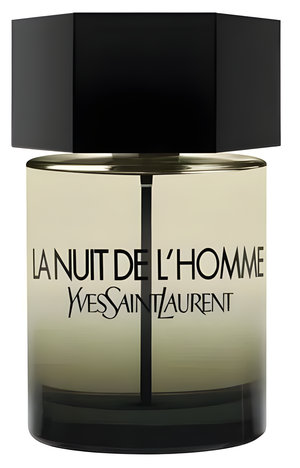 La Nuit de l'Homme
 Yves Saint Laurent
 Tonka Bean
 Lavender
 Dolce&Gabbana
 Versace
 Tom Ford
 Acqua di Parma
 Versace Pour Homme Dylan Blue
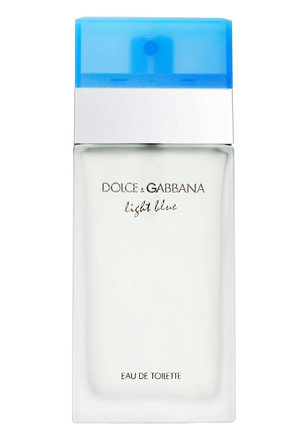 Light Blue
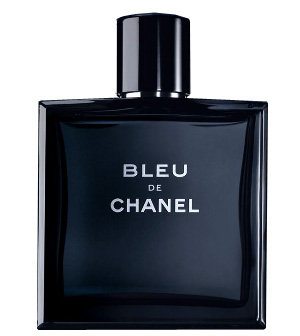 Bleu de Chanel
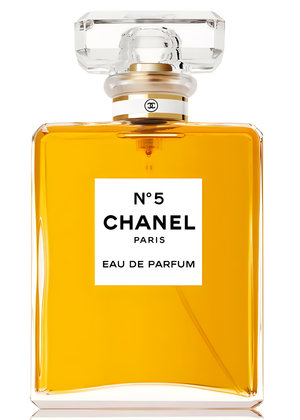 Chanel No 5 Eau de Parfum