Articles
Get the Fragletter
New fragrance stories and picks in your inbox. Unsubscribe anytime.
New fragrance stories and picks in your inbox. Unsubscribe anytime.
New fragrance stories and picks in your inbox. Unsubscribe anytime.
New fragrance stories and picks in your inbox. Unsubscribe anytime.
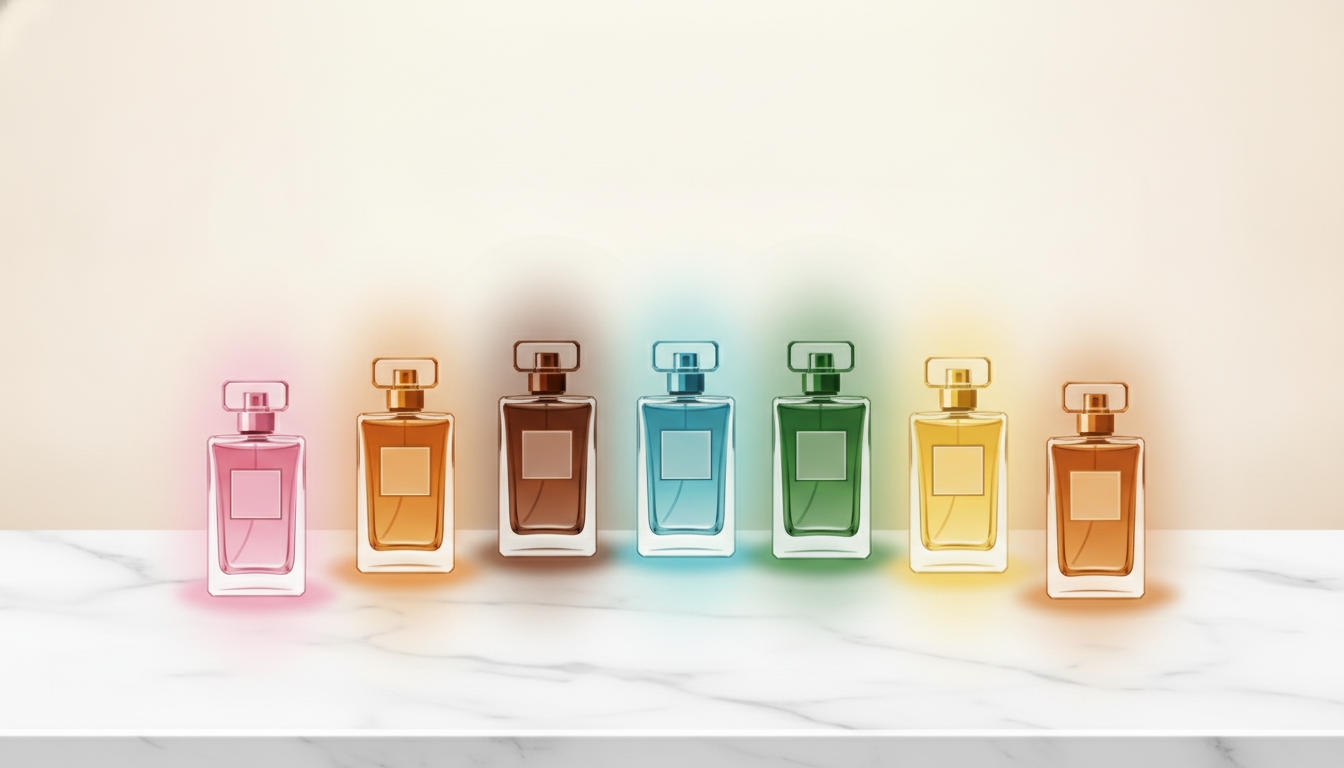
Most perfume shopping goes wrong for the same reason: you're browsing bottles when you should be browsing categories. Every fragrance belongs to a fragrance family — a broad grouping based on its dominant character — and once you know the two or three families that suit you, a wall of hundreds becomes a shortlist. That's the whole trick.
Fragrance families group perfumes by their dominant scent profile. They work like genres in music: you don't need to hear every album to know you lean jazz rather than metal. Most perfumes borrow from several families at once, but nearly all of them lean hard into one.
The system exists so perfumers can design and retailers can organise, but its real use is yours — it turns "I don't know what I like" into a question you can answer. It's also a blunt instrument, and plenty of modern releases sit in the cracks between categories. Treat it as a map, not a filing cabinet.
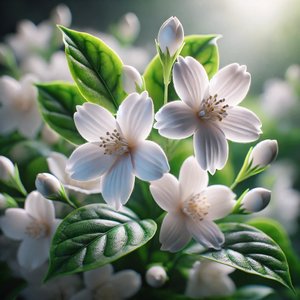
The floral family is the biggest and most recognisable category, and the one people dismiss fastest — usually because they've only ever met the powdery end of it. Florals run from single-flower sketches to dense bouquets, and the gap between those two things is enormous.
Key notes: , , , lily-of-the-valley, iris, and tuberose.
What it smells like: Fresh-cut stems, garden bouquets, powdery softness, or lush romantic blooms — depending on how it's built.
Try if you like: Romance, or flowers that smell like flowers rather than like laundry.
Examples on Fragplace:
If iris or tuberose put you off years ago, start with the second one and work backwards. The family is wider than the reputation it carries.
Orientals — amber fragrances, if you prefer the newer label — are the loud end of the shelf. They're resinous, built to last, and the family most likely to irritate someone in a lift.
Key notes: , , , incense, spices, and resins.
What it smells like: Depth and warmth. Spice markets, candlelit rooms, cashmere blankets.
Try if you like: Statement scents with real staying power.
Examples on Fragplace:
One is the education, the other is the crowd-pleaser. Buy accordingly.
Woods are where a lot of people land once they stop chasing compliments. The family takes its character from bark, roots and mossy forest floor, and it sits comfortably on anyone.
Key notes: , , , , oud, and birch.
What it smells like: Wood shavings, dry earth, the air on a walk through trees.
Try if you like: Restraint, unisex scents, or a base to layer a louder family over.
Examples on Fragplace:
Terre d'Hermès is the better buy of the two if you'd rather not smell like the last three people on the train.
The fresh family covers citrus, green and aquatic scents — anything clean and light, with the aquatic corner reaching for ocean air, rain and water. It's the family most often accused of smelling like everybody else, and the accusation isn't unfair.
Key notes: , lemon, marine accords, green tea, cucumber, and water lily.
What it smells like: Cool sea breeze, squeezed citrus, dew on grass, laundry off the line.
Try if you like: Hot weather, office hours, or the just-showered effect.
Examples on Fragplace:
Safe isn't an insult here. Just know that safe is what you're buying.
Fougère is French for "fern", and no fern has ever smelled like this. It's the spine of men's perfumery — lavender, oakmoss and coumarin in a fixed accord — though newer takes have drifted unisex.
Key notes: , , coumarin, , and geranium.
What it smells like: Barbershop. Herbal freshness over mossy depth, with the tonka and coumarin sweetening the bottom.
Try if you like: Classic masculinity, grooming-counter nostalgia, or a scent that doesn't ask questions.
Examples on Fragplace:
That period-piece quality is the point. Wear it knowing it announces itself, or don't wear it.
Chypre — French for "Cyprus" — is the hardest family to love and the most rewarding once you do. Bergamot on top, oakmoss and labdanum underneath, bright set against bitter with nothing softening the join.
Key notes: , , , labdanum, and .
What it smells like: Dry moss and earth, lit from above by citrus and a touch of floral.
Try if you like: Niche-leaning perfumery with an argument to make.
Examples on Fragplace:
Come back to chypre when the sweeter families have started to bore you. It'll make more sense then.
The gourmand family is the youngest of the major categories and the most crowded, built from edible and dessert-like aromas. If most of it reads juvenile to you, that's a fair response to a lot of what's on the shelf — the good ones aren't sweet so much as dark.
Key notes: , , , , coffee, honey, and praline.
What it smells like: Dessert in a bottle — warm cookies, chocolate truffles, crème brûlée, cotton candy.
Try if you like: Comfort scents that pull people closer and invite compliments.
Examples on Fragplace:
If most gourmands read too sweet to you, the tobacco leaf here is what keeps this one from turning into pudding.
Seven types of perfume scents, one shortlist. Here's how to build yours.
Start with what you already know. Think about the smells you like outside a shop. Fresh laundry points you at the fresh family. Bakeries and coffee shops point at gourmand. A garden in June points at floral.
Sample across families. One fragrance from each family, in a single visit. You'll learn more from the two you actively dislike than from the five you can live with.
Look at the notes, not the name. A perfume called "Summer Garden" might be an oriental. The name describes the campaign; the notes describe the perfume.
Embrace overlap. Floral-oriental, woody-fresh — most modern releases are hyphenated. Knowing the families is what lets you decode the hyphen.
Let your mood guide you. You never signed a contract with a family. Fresh by day and oriental or gourmand by night is a common split, and there's no prize for consistency.
Here's the honest recommendation. Start woody or fresh, because those are the hardest to get wrong and the easiest to wear on an ordinary Tuesday. Orientals and gourmands sell fastest and tire fastest. Florals deserve better than their reputation. Chypre is the one that will teach you something, and it's the one to buy last.
So do two things. Pick a note you already know you like — , say, or — and see what comes back on Fragplace. Then open and read its notes end to end, because that's what a family looks like when it commits to itself.
 Giorgio Armani
 Bergamot
 Rose
Rose Guerlain
 Caramel
 Musk
Musk Tom Ford
 Vetiver
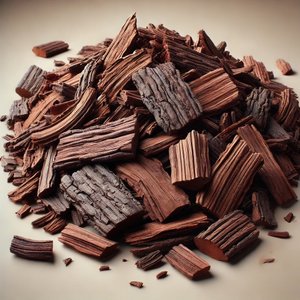 Sandalwood
 Patchouli
 Dior
Dior Hermès
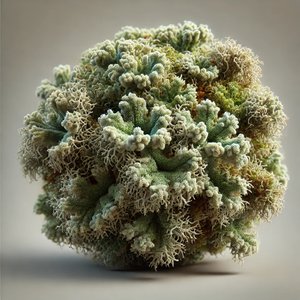 Oakmoss
 Yves Saint Laurent
 Chanel
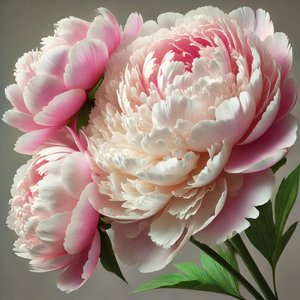 Peony
Peony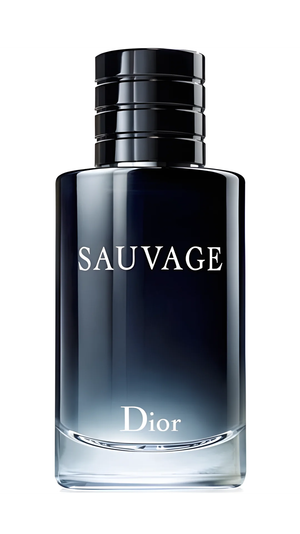 Sauvage
 Drakkar Noir
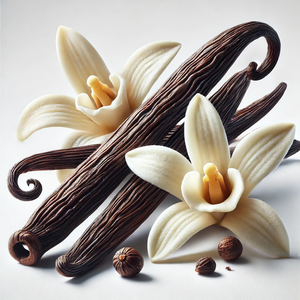 Vanilla
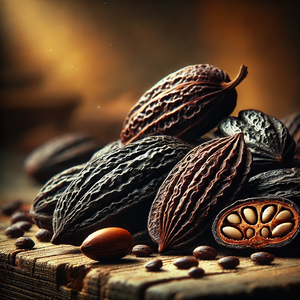 Tonka Bean
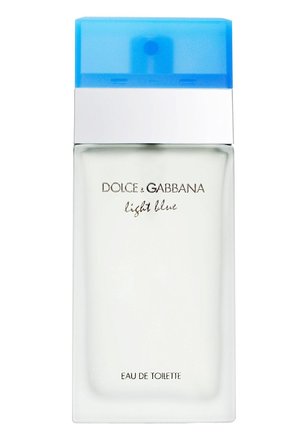 Light Blue
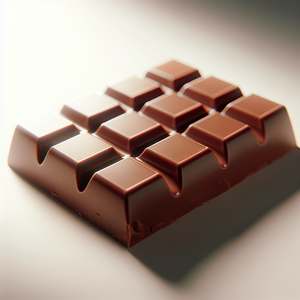 Chocolate
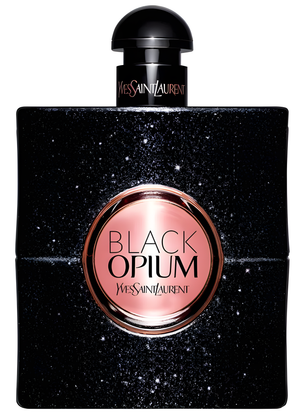 Black Opium
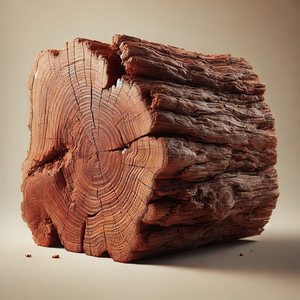 Cedarwood
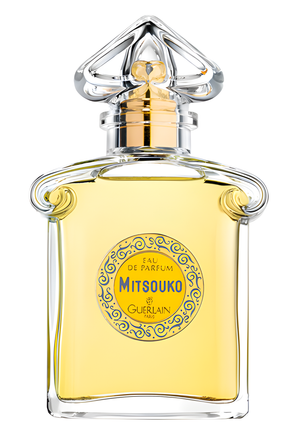 Mitsouko Eau de Parfum
 Dolce&Gabbana
 Chanel No 5 Eau de Parfum
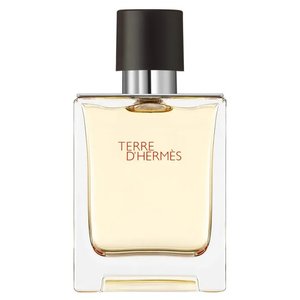 Terre d'Hermès
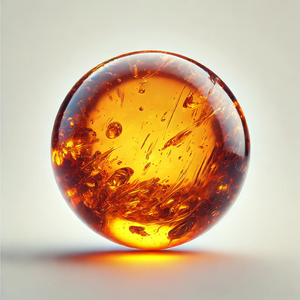 Amber
Amber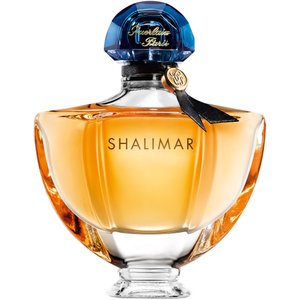 Shalimar Eau de Parfum
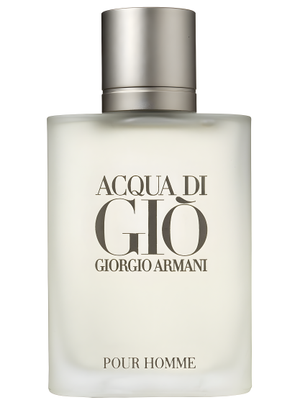 Acqua Di Gio
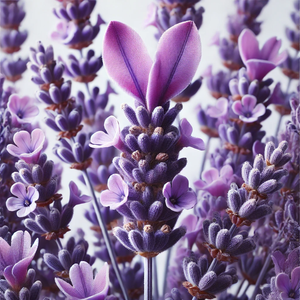 Lavender
 Jasmine
 Guy Laroche
 Tobacco Vanille
 Miss Dior Blooming Bouquet