Most people don't have bad taste in perfume. They just have no map. Nearly everything on that intimidating shelf sorts into one of four families — floral, oriental (amber), woody and fresh — and once you know which one you keep reaching for, the shopping gets a lot shorter.
This guide breaks down all four, with real examples in each, so you can stop sniffing at random.
What Are Fragrance Families?
Fragrance families group perfumes by their dominant scent character. Think genres. You don't listen to everything equally, and you won't smell everything equally either — most people settle into one or two families and treat the rest as occasional listening.
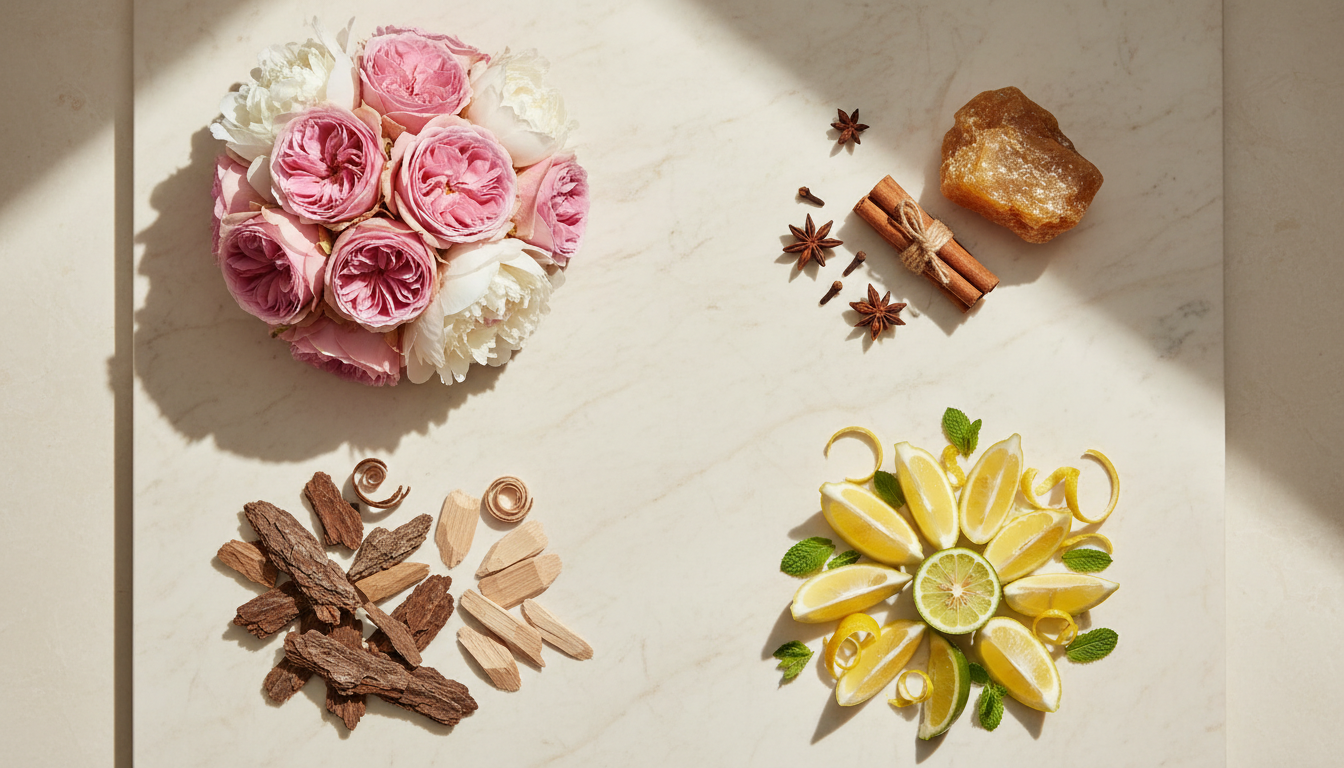
The modern fragrance wheel, developed by fragrance expert Michael Edwards, organises scents into these four primary families, each with subfamilies that blend into one another. Here's what each one actually gives you.
1. Floral — The Timeless Romantic
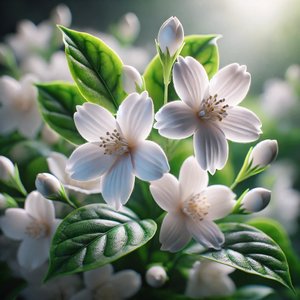
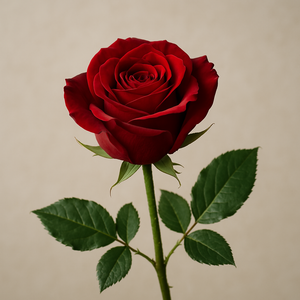
Floral is the biggest family in perfumery, and the most abused one. Built around flower notes like , , and , it stretches from powdery and restrained to lush enough to fill a room.
What It Smells Like
A garden in spring — sometimes one flower held under a spotlight (soliflore), sometimes a whole bouquet blended into something no single bloom smells like.
Popular Floral Fragrances
- by — Perhaps the most iconic perfume ever created, and the one everything else gets measured against. Aldehydes, jasmine and rose: that soapy aldehydic lift is what set the standard for floral luxury, and it's also why younger noses often dismiss it as dated. Their loss.
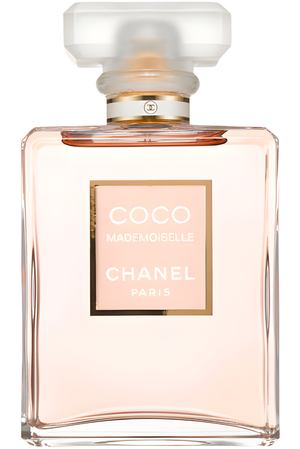
- by — Peony and rose at the heart, mandarin orange up top, a soft musk base underneath. It's the safe one. Built to be liked rather than remembered, and it does that job better than almost anything else at the counter.
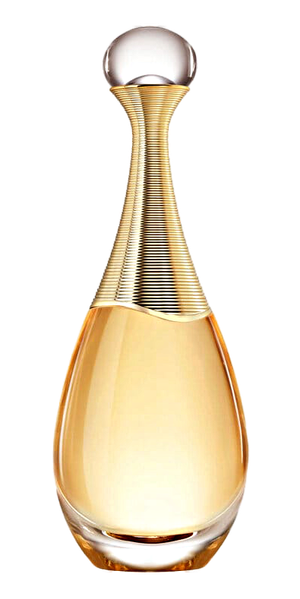
- by — Jasmine, lily-of-the-valley and bergamot, polished until it gleams. It's become a signature-scent cliche, which says more about how well the thing works than about the perfume.
- by — Gardenia, violet and strawberry, sparkling and young. If most florals feel too grown-up on you, this is the gentler way in.
- by — Juicy peony and rose over a suede-soft finish. The suede is the whole trick; strip it out and you've got another pretty peony. Jo Malone's house style is deliberately understated, so don't buy it expecting a roar.
Who It's For
Florals suit you if you want something classic that reads as put-together at the office and romantic at dinner. Drawn to fresh-cut flowers? Start here and save yourself a season of wandering.
2. Oriental (Amber) — The Seductive Storyteller
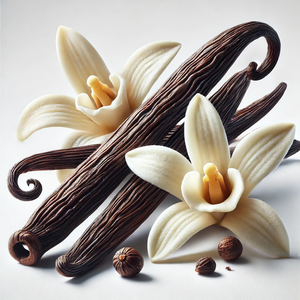
Oriental — also called amber — is the family that doesn't do subtle. It's built on , , spices and resins, and the effect is enveloping to the point of hypnotic.
What It Smells Like
Cosy evenings by a fire. Spice markets. A cashmere scarf against skin. These have weight — they linger, and they're supposed to.
Popular Oriental Fragrances
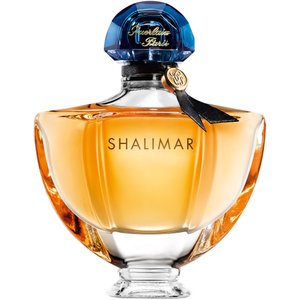
- by — The original oriental masterpiece: bergamot, iris, jasmine, vanilla and incense, and one of perfumery's most celebrated compositions. Fair warning — the vanilla here isn't dessert. If your reference point is a modern sweet gourmand, Shalimar will read as smoky and strange for the first ten minutes. Stay with it.
- by — Coffee and almond against jasmine and orange blossom, for an addictive, energising warmth. It launched a thousand coffee gourmands and you'll smell it on a night out whether you own it or not. That's the price of getting it right.
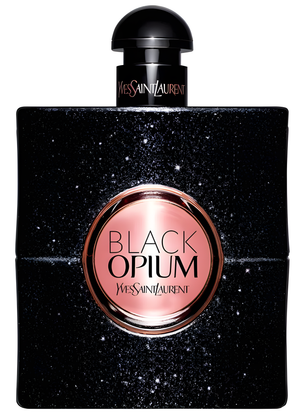
- by — Black currant, orchid, dark chocolate and amber. The most divisive bottle on this page: people either wear it like armour or can't get past the opening. There's no middle ground, and it isn't trying to find one.
- by — Bergamot, orange blossom, jasmine and over a warm amber heart. The patchouli is the backbone — it's what keeps the citrus from going frothy. Wildly popular, which is either a recommendation or a reason to skip it, depending on your temperament.
Who It's For
Evening wear, cold months, and anyone who'd rather be noticed than agreed with. If warmth and spice pull you in, this family is where your money should go.
3. Woody — The Grounded Sophisticate
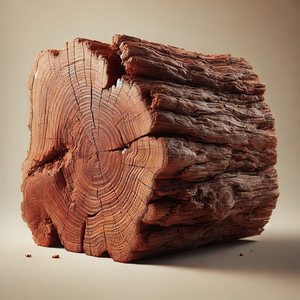
Woody scents come from trees, bark and earth: , , , , and . This is the family for people who find sweetness tiring.
What It Smells Like
A forest after rain — damp earth, warm bark, green moss. Depending on the composition it can go dry and smoky, creamy and soft, or dark and resinous. Same family, wildly different moods.
Popular Woody Fragrances
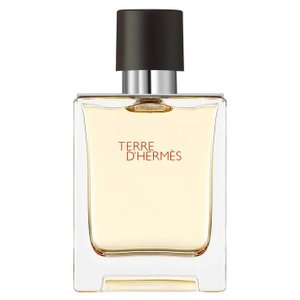
- by — Grapefruit, pepper, cedar and vetiver, structured around the relationship between earth and sky. The grapefruit is bitter rather than juicy, and that decision is what separates this from every citrus-woody knock-off chasing it.
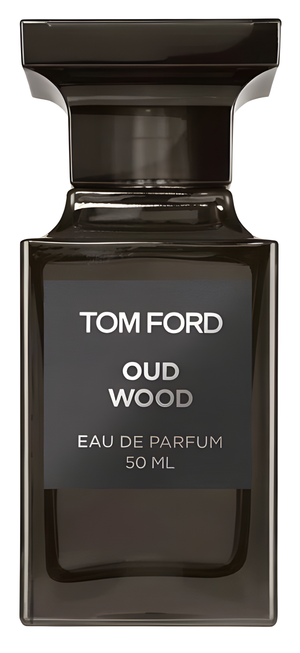
- by — Smoky oud, creamy sandalwood, warm amber, cardamom for lift. A modern classic and the gateway oud for most Western noses — which is a polite way of saying it's a tame one. Worth knowing that before you pay Tom Ford money for it.
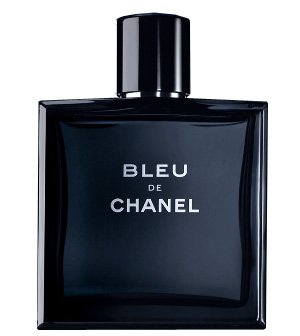
- by — A woody aromatic of grapefruit, incense, ginger, cedar and labdanum that moves from day to night without changing gear. The incense is what saves it. Without that thread it would be another blue office scent, and there are hundreds of those.
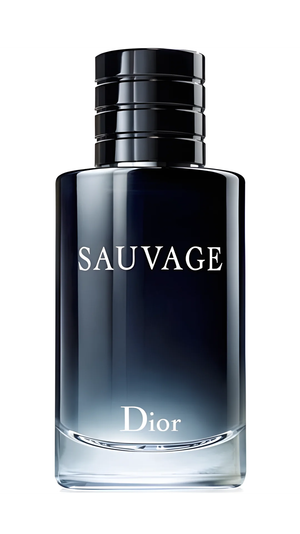
- by — Bergamot and pepper against ambroxan, cedar and lavender, with a bold magnetic trail. Overexposed to the point of parody now. It's still well made — you just can't wear it and expect to smell like yourself.
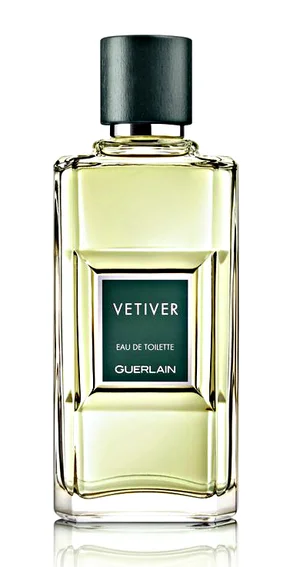
- by — A pillar of the family, showing vetiver's earthy, slightly smoky character with classic French elegance. Deeply unfashionable and quietly better than most of what's replaced it.
Who It's For
Woods work year-round and behave in professional settings, which is why they're the default recommendation for anyone who prefers depth to sugar. If you've never liked a perfume someone bought you, try this family before giving up.
4. Fresh — The Energizing Free Spirit
Fresh is the most maligned family and the most useful. It covers citrus built on and , aquatics that suggest sea air, and green scents of cut grass and herbs.
What It Smells Like
A ripe grapefruit on a Mediterranean terrace. Salt off the coast at nine in the morning. It's a jolt rather than a statement, and there are days when that's exactly what you want.
Popular Fresh Fragrances
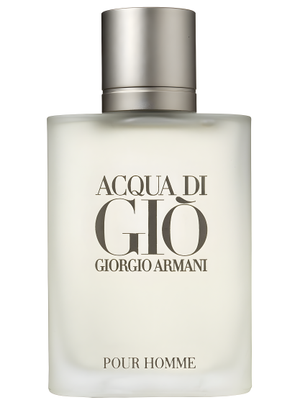
- by — The quintessential fresh fragrance. Bergamot, neroli and aquatic notes defined an entire era of men's perfumery — which is both the compliment and the complaint. It smells like every man you stood next to in the 2000s.
- by — Sicilian lemon, apple and cedar. Summer in a bottle, and the cedar is the reason it doesn't evaporate into lemonade.
- by — Grapefruit, quince, jasmine and rose. A fresh floral that sits between two families, and the best pick here if florals usually feel too heavy on you.
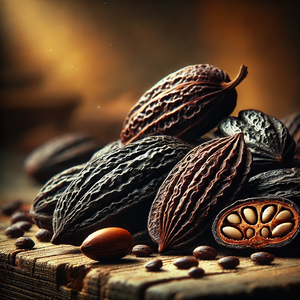
- by — Mint, lemon and green apple over and vanilla. That tonka-and-vanilla base is what turns a fresh aromatic into something sweet and confident — and it's why Eros reads as a going-out scent rather than a daytime one. Loud. Unapologetic about it.
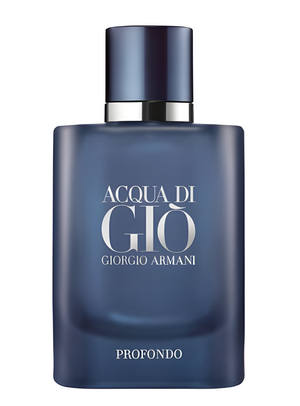
- by — Aquatic minerals and amber give the original some floor to stand on. If the first Acqua di Gio always struck you as thin, this is the better buy of the two.
Who It's For
Heat, movement, and anything that doesn't need a dress code. If you want to smell clean rather than interesting, that's a legitimate choice and this is your family.
How to Find Your Fragrance Family
Still unsure? Work through this:
- Think about seasons. Do you prefer the warmth of autumn (oriental/woody) or the energy of summer (fresh/floral)?
- Consider the occasion. Daytime and casual pulls you towards fresh or floral. Evening and deliberate pulls you towards oriental or woody.
- Follow your nose. Go to a counter and smell one representative from each family. Your gut will tell you more in five minutes than any guide can.
- Layer and experiment. Plenty of people live happily across three families. Nobody is checking.
The families aren't boxes, either — half the interesting perfumes sit on a border. Chance Eau Tendre is a floral wearing fresh clothes. Sauvage is a woody scent sold as a fresh one. The categories are a starting point, not a verdict.
Start Exploring
If you're building from nothing, buy one bottle per family and learn from it rather than buying five variations on the same idea. Guerlain's Vetiver will teach you more about woods than any oud will. Shalimar will teach you what an oriental is before the market sweetened everything. And if you only ever want to smell clean and be left alone, admit it and go straight to the fresh shelf — there's no prize for suffering through an amber you don't like.
Start with a note you already know you love, like or , and see what comes up. Then read what the community says about a house that keeps appearing in your results — is a good place to start — and let your shortlist build itself here on Fragplace.
 Jasmine
 Chanel
 J'adore
 Guerlain
 Dior
Dior Amber
Amber Miss Dior Blooming Bouquet
 Rose
Rose Chanel No 5 Eau de Parfum
 Patchouli
 Marc Jacobs
 Vanilla
 Tom Ford
 Daisy
Daisy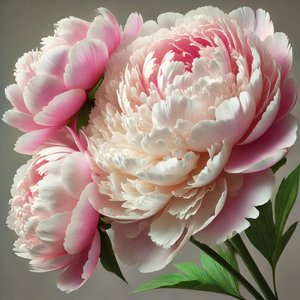 Peony
Peony Yves Saint Laurent
 Shalimar Eau de Parfum
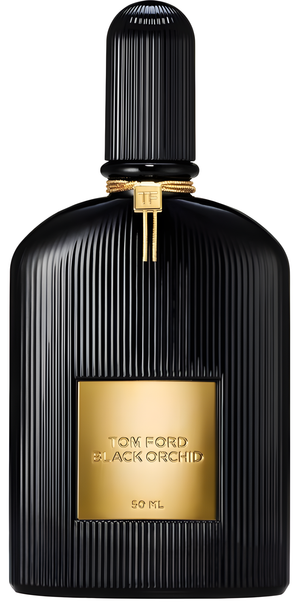 Black Orchid
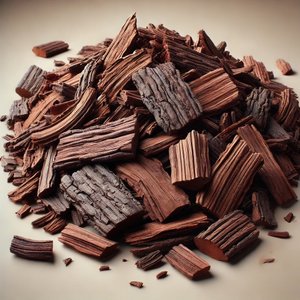 Sandalwood
 Jo Malone London
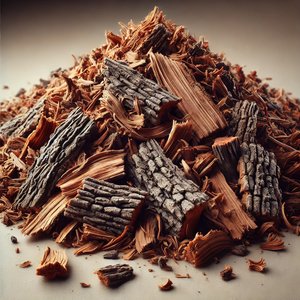 Agarwood (Oud)
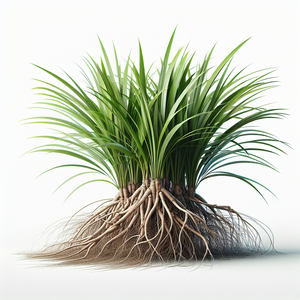 Vetiver
 Sauvage
 Vetiver Eau de Toilette
 Black Opium
 Coco Mademoiselle
 Hermès
 Cedarwood
 Bleu de Chanel
 Oud Wood
 Bergamot
 Giorgio Armani
 Dolce&Gabbana
 Terre d'Hermès
 Tonka Bean
 Acqua Di Giò Profondo
 Peony & Blush Suede
 Versace
 Lemon
Lemon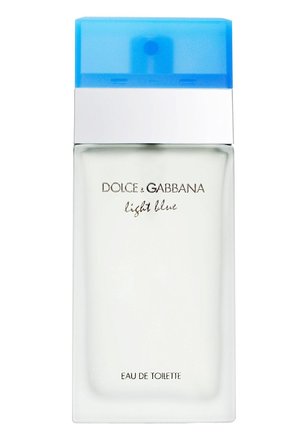 Light Blue
 Acqua Di Gio
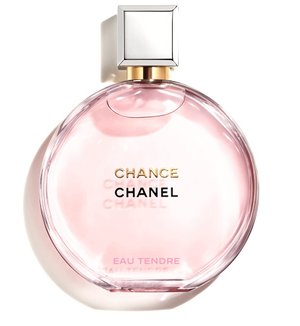 Chance Eau Tendre Eau de Parfum
 Eros
Eros