Articles
Get the Fragletter
New fragrance stories and picks in your inbox. Unsubscribe anytime.
New fragrance stories and picks in your inbox. Unsubscribe anytime.
New fragrance stories and picks in your inbox. Unsubscribe anytime.
New fragrance stories and picks in your inbox. Unsubscribe anytime.
Half of what gets sold as clean fragrance is a kraft-paper box and a well-chosen adjective. The other half is better made than the mainstream stuff it replaced. Telling them apart is the whole job.
Less than the marketing implies. Unlike organic food or cruelty-free cosmetics, there's no single regulated definition, so the word does whatever a brand needs it to do. In practice it describes a formula that avoids ingredients linked to health concerns — phthalates, parabens, formaldehyde, certain synthetic musks — and, from the more serious houses, full ingredient transparency: every component printed on the label instead of hiding behind the catch-all term "fragrance".
Certifications are the closest thing to a shortcut you'll get. Look for EWG Verified, Cradle to Cradle Certified, Leaping Bunny for cruelty-free, and COSMOS/ECOCERT for organic ingredients. No single seal covers everything, which is exactly why stacked certifications tell you more than any one of them ever could — a brand that's been through several has spent real money proving it.
Kraft paper and the word "natural" are not evidence. Greenwashing — misleading sustainability claims — is rampant in perfumery, and the standard trick is to spotlight one plant-based ingredient while the rest of the formula runs on petrochemicals. "Eco-conscious" and "earth-inspired" mean nothing without third-party verification. They're mood words.
So ignore the packaging and read the receipts: published ingredient lists, recognised certifications, and concrete commitments like carbon-neutral shipping, refillable bottles or fair-trade sourcing. The brands below built their reputations on transparency and action rather than art direction.
practically invented this category, and the Reserve Blend collection is the grown-up rework: everyday comfort scents built from responsibly sourced ingredients. Warm Cotton is soft and with air moving through it — clean without tipping into sterile. The bottles are made from recycled materials, and the brand uses sustainable and plant-derived alcohol. It's a comfort scent, though, so if you want something with edges, keep scrolling.
hand-blends every fragrance to order, which strips out the waste of mass production. has become a signature-scent cliche — you will smell it on someone else this week — but the Australian , and cardamom earned that ubiquity before it got tired. Smoky, addictive, and vegan. The refill programme does more real work than most brands' entire sustainability page: bring the empty bottle back and they top it up in-store.
formulates without parabens, phthalates or sulfates, and every scent is vegan and cruelty-free. is a white floral for people who find white florals shouty — softened by , quiet up close but with an unmistakable trail. The brand offsets its carbon footprint and uses recyclable glass and FSC-certified packaging, which is the unglamorous infrastructure that actually counts.
went viral with this one, and the credentials hold up behind the hype: vegan, cruelty-free, sustainably sourced ingredients, fully transparent formulas. chases the warmth of someone just out of reach through , and blond wood. Fair warning: skin scents split a room. Some people find them intimate; others spend the afternoon wondering where the perfume went. Sample this one before you buy blind.
Founded by Michelle Pfeiffer, became the first fine fragrance line to earn both EWG Verified and Cradle to Cradle Certified Gold — the strictest pairing on this list. sets and against warm , and the vetiver is doing the heavy lifting: it stops the rose from going soapy, which is precisely where clean florals usually fall apart. This is the one that proves clean can stand next to any luxury house.
pushes past sustainability into social impact. The brand trains Moroccan flower-harvest workers to upcycle leftover petals into candles and orange blossom water, creating a secondary income stream — a structural fix rather than a donation line in an annual report. is a radiant floral of neroli, orange blossom and , and it wears as luxurious as the story suggests.
ships in pulp cartons made from recycled materials — no plastic wrapping, no cellophane. Sounds minor until you count how many layers a bottle normally arrives in. is a bright burst of and , and if you're moving over to clean fragrance convinced everything will smell watered down, start here. Every ingredient is vegan and sustainably sourced. It won't surprise you. It isn't trying to.
builds high-concentration cologne absolue formulas from ethically sourced naturals, and that concentration matters more than it sounds — citrus is the first thing to disappear from a thin formula. is pure sunshine in a bottle: bright over and cypress, gender-neutral, built for daily wear. The leather cases are vegetable-tanned and the brand backs biodiversity projects.
is a New Zealand-based brand using 100% natural ingredients, certified B Corp, offsetting its full carbon chain — the most demanding set of commitments here. blends Australian with cumin and rose absolute for a bold, spiced finish that dismantles the myth that natural fragrances lack depth or longevity. The cumin is the catch. It reads warm and skin-like to some noses and frankly sweaty to others, and you'll work out which camp you're in fast.
You don't have to bin your collection. Start with one scent you'd reach for daily — something skin-close — and build outward. Sample first: most of the brands above sell discovery sets at accessible price points, and that's the cheapest possible way to be wrong.
Then read the label properly. A short, recognisable ingredient list is a good sign; several third-party certifications are a better one. And drop the assumption that "natural" and "clean" are synonyms — a well-formulated clean fragrance may include safe synthetics that outperform natural alternatives on both longevity and environmental impact.
If you want one recommendation, it's Torn: the strictest certifications on the list, and a formula that doesn't smell like a compromise made for them. Santal 33 is the safe money if you don't mind smelling like half the room. Red Santal is the one worth your attention if you do.
Two ways in, depending on your nerve. Browse for the gentle entry point, or go straight to if you want naturals that argue back.

 Clean
Clean Red Santal
 Le Labo
 Musk
Musk Cedarwood
 Jasmine
 Phlur
Phlur Sandalwood
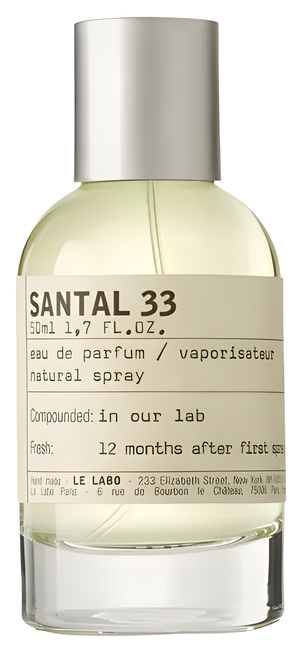 Santal 33
 Vanilla
 Floral Street
![Warm Cotton [Reserve Blend] - Clean](https://imaginary.hernas.com/resize?width=300&quality=85&url=https%3A%2F%2Fs3.nl-ams.scw.cloud%2Ffraghead-production%2Fglobal%2Fd%2F1%2Fd1ec831b-efcf-4f22-a451-80dfc48600da_31f2ecb9-9840-4268-a788-78dee9cb9984.png&gravity=smart&type=auto&background=255%2C255%2C255) Warm Cotton [Reserve Blend]
Warm Cotton [Reserve Blend] Clementine
 Abel
Abel Clémentine California
 Bergamot
 Amber
Amber Missing Person
 Henry Rose
 Vetiver
 Wonderland Peony
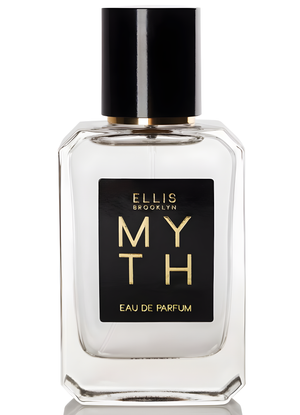 Myth
Myth Torn
Torn Revolution de La Fleur
 Atelier Cologne
 Rose
Rose Peony
Peony Sana Jardin
 Ellis Brooklyn